Elevating Design Projects with Vintage Ornamental Floral Elements
In an era dominated by flat design and minimalist interfaces, there is a resurging appreciation for complexity, history, and craftsmanship in visual communication. Vintage Ornamental Floral Elements represent more than just decorative flourishes; they are a bridge to a time when design was synonymous with artistry and detail. These assets, characterized by their intricate linework and timeless appeal, offer designers, marketers, and content creators a powerful tool to differentiate their work in a crowded digital landscape. When utilized effectively, these elements inject a sense of authority, elegance, and warmth that modern geometric shapes often struggle to convey.
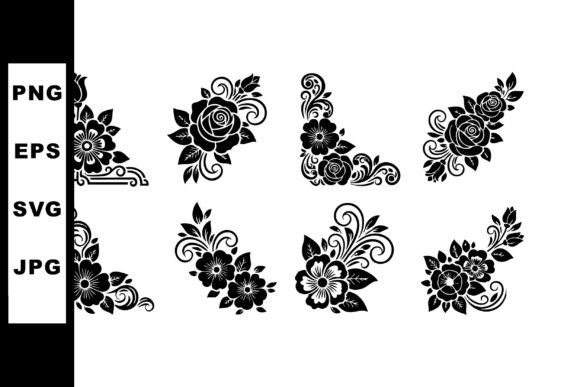
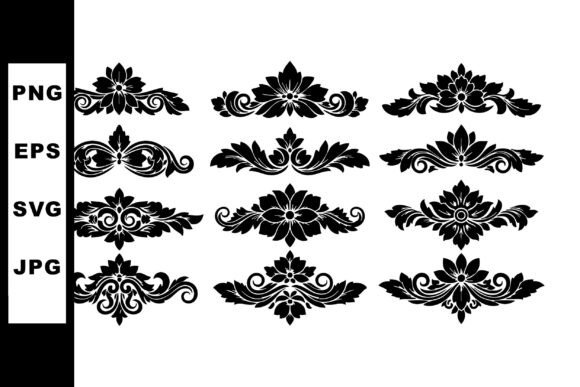
The relevance of vintage aesthetics in contemporary workflows cannot be overstated. As consumers become increasingly desensitized to generic stock imagery and templated layouts, the demand for unique, character-rich visuals has grown. A collection of vintage ornamental floral design elements in black, featuring symmetrical and elegant shapes for decorative vector projects, provides the perfect solution. The classic and stylish mood evoked by these designs resonates with audiences seeking authenticity. Whether you are branding a boutique coffee shop, designing wedding invitations, or creating high-end packaging, the integration of these historical motifs signals quality and attention to detail.
The Resurgence of Classic Aesthetics in Modern Workflows
The evolution of design trends is cyclical. After years of prioritizing ultra-clean lines and sans-serif typography, the creative industry is swinging back toward ornamentation. This shift is not merely nostalgic; it is a strategic response to market saturation. In a world where anyone can launch a website or print a flyer in minutes, standing out requires a distinct visual voice. Vintage floral elements provide this distinction by offering a level of sophistication that feels earned rather than automated.
Modern technology has played a pivotal role in this revival. Previously, accessing high-quality vintage illustrations required physical archives, rare books, or expensive licensing deals with specialized agencies. Today, digital repositories allow instant access to restored and vectorized versions of these classics. The availability of files in multiple formats ensures that these assets fit seamlessly into both print and digital pipelines. For professionals, this means the ability to maintain a high standard of production without the logistical hurdles of the past.
Furthermore, the psychological impact of these designs aligns with current consumer expectations. Brands are increasingly expected to tell a story and evoke emotion. Symmetrical floral patterns and ornate borders suggest stability, tradition, and luxury. When a potential customer sees a logo adorned with a delicate, vintage vine, they subconsciously associate the brand with heritage and reliability. This is particularly valuable for startups and small businesses looking to establish trust quickly without a decades-long history.
Practical Applications Across Industries
The versatility of Vintage Ornamental Floral Elements extends far beyond simple decoration. Their application varies significantly depending on the industry and the specific goals of the project. Understanding how to deploy these assets effectively is key to maximizing their impact.
- Branding and Identity: For businesses in the hospitality, beauty, or artisanal food sectors, these elements serve as excellent foundational components for logos and brand marks. A symmetrical floral crest can anchor a brand identity, providing a focal point that looks equally impressive on a storefront sign or a mobile app icon.
- Packaging Design: In the realm of product packaging, first impressions are everything. Using black ornamental vectors on kraft paper or textured cardstock creates a premium, handcrafted feel. This approach is particularly effective for limited-edition releases or luxury goods where the unboxing experience is part of the product value.
- Wedding and Event Stationery: This sector has long embraced vintage aesthetics, but the trend is evolving. Modern couples are looking for ways to blend traditional elegance with contemporary layouts. High-resolution PNGs with transparent backgrounds allow for layering over photos or colored paper, while SVGs ensure crisp printing on various materials.
- Digital Content and Social Media: Even in digital spaces, these elements add texture. Bloggers and influencers use them to frame quotes, separate sections in newsletters, or create distinctive highlight covers for social media profiles. They break up the monotony of white space and guide the viewer's eye through content.
For educators and historians, these vectors also serve as valuable teaching tools. They can be used to illustrate lessons on art history, the evolution of printing techniques, or the cultural significance of botanical illustration. The accuracy and clarity of modern vector restorations make them suitable for academic presentations and publications where visual fidelity is paramount.
The Technical Advantage of Multi-Format Collections
One of the most significant advancements in the distribution of design assets is the standardization of multi-format downloads. A comprehensive collection that includes SVG, EPS, JPG, and PNG files addresses the diverse needs of modern creatives. Each format serves a specific purpose in the workflow, and having access to all of them eliminates the need for conversion tools that can degrade image quality.
SVG (Scalable Vector Graphics) are essential for web developers and UI designers. Because they are code-based, SVGs remain perfectly sharp at any resolution, making them ideal for responsive websites that must look good on everything from a smartwatch to a 4K monitor. They also tend to have smaller file sizes compared to raster images, contributing to faster page load times—a critical factor for SEO and user retention.
EPS (Encapsulated PostScript) remains the industry standard for professional print production. If you are sending files to a commercial printer for business cards, brochures, or large-format banners, EPS ensures that the printer's RIP software can interpret the paths and curves accurately. This prevents the jagged edges or pixelation that can occur when raster images are scaled up.
For quick mockups, social media posts, or presentations, JPG and PNG files offer immediate usability. The inclusion of PNGs with transparent backgrounds is particularly useful for non-designers who may not have access to advanced editing software. These files can be dragged and dropped directly into documents or web builders, maintaining the integrity of the ornamental shape without a distracting white box around it.
Integrating Vintage Elements into Contemporary Design
While the allure of vintage design is strong, successful implementation requires a balanced approach. Simply overlaying old-fashioned graphics onto a modern layout can result in a disjointed or dated appearance. The key lies in harmonious integration. Designers should consider the weight and density of the floral elements relative to the surrounding whitespace and typography.
A recommended practice is to use these ornamental shapes as framing devices rather than the primary subject. For instance, a symmetrical floral border can frame a bold, modern headline, creating a striking contrast between the old and the new. Alternatively, using the elements in a monochromatic scheme—such as the black vectors mentioned in this collection—allows them to act as subtle textures that add depth without overwhelming the message.
Color manipulation is another powerful technique. While the classic black-and-white aesthetic offers a timeless look, these vector files can easily be recolored to match specific brand palettes. Changing a deep black vine to a muted sage green or a dusty rose can soften the look and adapt it to current color trends while retaining the structural elegance of the original design.
Strategic Recommendations for Creators
To get the most out of a collection of vintage ornamental floral design elements, creators should adopt a strategic mindset. Start by auditing your current visual assets. Identify areas where your designs feel too sterile or generic. Experiment with introducing a single ornamental element to see how it changes the overall tone.
- Maintain Consistency: If you choose to incorporate vintage florals into your brand identity, ensure consistency across all touchpoints. Use similar styles of ornamentation in your email headers, website footers, and printed materials to build a cohesive visual language.
- Respect Scale: Intricate details can get lost if scaled down too small. Ensure that the fine lines of the floral elements are visible and legible in their intended application. If necessary, simplify the usage or reserve the most detailed pieces for larger formats.
- Combine with Modern Typography: Pairing vintage graphics with ultra-modern, geometric fonts can create a dynamic tension that feels fresh and innovative. Avoid pairing them with overly script-heavy or antique fonts unless you are specifically aiming for a period-accurate reproduction.
Ultimately, the value of these assets lies in their ability to elevate the perceived quality of a project. In a marketplace that values speed and efficiency, taking the time to curate and apply thoughtful, elegant design elements demonstrates a commitment to excellence. Whether you are a freelancer pitching to a high-end client or a business owner refining your packaging, Vintage Ornamental Floral Elements offer a reliable pathway to achieving a sophisticated and memorable aesthetic.
As we move forward, the blend of historical charm and digital convenience will likely continue to define premium design. By leveraging these resources wisely, creators can produce work that not only meets current standards but stands the test of time, much like the original artworks that inspired them. The downloadable ZIP containing SVG, EPS, JPG, and PNG files serves as a versatile toolkit, ready to adapt to the evolving needs of the creative industry while honoring the enduring beauty of classical design.