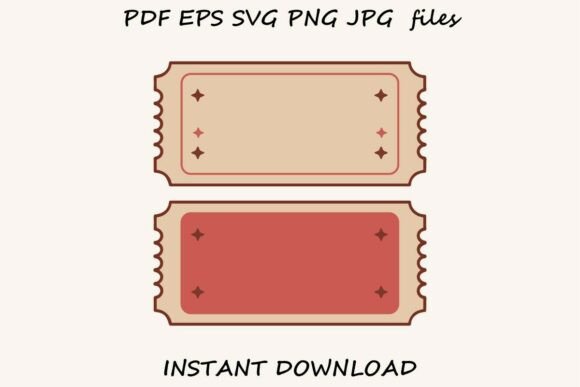
Strategic Design with Retro Blank Ticket Templates for Impactful Print Projects
In an era dominated by digital saturation, the tactile experience of physical print materials has regained significant strategic value. Retro Blank Ticket Templates offer more than just a nostalgic aesthetic; they provide a versatile framework for creators, marketers, and small business owners to craft tangible touchpoints that resonate with audiences on a deeper emotional level. Whether you are designing event passes, limited-edition coupons, or personalized gift tags, the intentional use of these templates can elevate your brand positioning and enhance customer engagement.
The core advantage of utilizing blank retro ticket templates lies in their adaptability. Unlike rigid, pre-filled designs, these assets serve as a foundational canvas. They come equipped with soft vintage color palettes and clean geometric shapes that evoke a sense of timeless quality without dictating the final message. This balance allows professionals to maintain brand consistency while leveraging a design language that suggests exclusivity and care. When integrated thoughtfully into your broader communication strategy, these templates become tools for storytelling rather than mere decorative elements.
Aligning Aesthetic Choices with Brand Goals
Selecting a design style is rarely just about visual preference; it is a decision that impacts how your audience perceives your value proposition. The vintage aesthetic inherent in Retro Blank Ticket Templates often signals authenticity, craftsmanship, and attention to detail. For entrepreneurs and freelancers, this can be a powerful differentiator. In a marketplace flooded with generic digital flyers, a physically printed ticket styled with retro motifs can convey a premium feel that justifies higher price points or fosters stronger loyalty.
However, the strategic utility of these templates extends beyond simple aesthetics. They support specific operational goals such as:
- Event Management: Creating distinct entry passes that reduce confusion and enhance the attendee experience.
- Promotional Campaigns: Designing coupons that feel like collectibles rather than disposable ads, increasing redemption rates.
- Customer Retention: Issuing "membership" style cards or loyalty tokens that encourage repeat business through perceived status.
- Personal Connection: Crafting unique gift tags or Valentine's designs that show a level of effort mass-produced cards cannot match.
By approaching blank retro ticket templates with these objectives in mind, you shift from random decoration to purposeful design. The soft vintage colors included in these packs are not arbitrary; they are chosen to be easy on the eye while maintaining high contrast for readability, ensuring that your critical information—dates, codes, or names—remains the focal point.
Technical Versatility and Workflow Efficiency
For professionals managing tight deadlines, the technical specifications of your assets are as important as their visual appeal. High-quality Retro Blank Ticket Templates typically include a comprehensive suite of file formats: PDF, EPS, SVG, PNG, and JPG. This variety ensures seamless integration into any graphic software workflow, from industry-standard vector editors to accessible online design tools.
The inclusion of high-quality PNGs with transparent backgrounds is particularly valuable for digital-first creators who need to overlay these designs onto social media graphics or website banners before committing to print. Meanwhile, the vector formats (EPS and SVG) allow for infinite scalability without loss of resolution, crucial for large-format printing or detailed customization. The availability of five distinct file formats means you are not locked into a single ecosystem, granting you the flexibility to collaborate with diverse teams or switch tools as project needs evolve.
It is important to note a critical technical constraint: these templates feature small details and intricate lines that make them not suitable for manual cutting. They are optimized specifically for standard printing or "print-then-cut" machines capable of handling fine registration marks. Attempting to cut these manually with scissors or basic craft knives may result in jagged edges or lost details, undermining the professional look you aim to achieve. Understanding this limitation upfront prevents wasted materials and ensures the final output matches the precision of the digital design.
Strategic Implementation and Planning
To maximize the return on investment for your design efforts, consider the following planning steps before customizing your blank retro ticket templates:
- Define the Objective: Are you driving immediate sales, building brand awareness, or rewarding loyalty? The goal dictates the copy and call-to-action on the ticket.
- Identify the Audience: Does the retro style align with your target demographic's preferences? While widely appealing, ensure it fits the specific context of your event or product.
- Select the Right Format: Choose the file type that best suits your editing capabilities. Use SVG for total control over shapes, or JPG for quick edits in photo-based software.
- Plan the Production Method: Confirm you have access to a printer capable of handling the detailed line work, or utilize a professional print service that supports print-then-cut workflows.
- Test the Output: Always print a single prototype to check color accuracy and legibility before running a full batch.
This structured approach ensures that the template serves your strategy, rather than you forcing your strategy to fit the template. It transforms the design process from a creative gamble into a calculated business decision.
Risks of Unintentional Usage
While Retro Blank Ticket Templates are powerful assets, relying on them without clear context can lead to diminishing returns. A common pitfall is using the vintage aesthetic purely for trendiness without aligning it with the brand voice. If a modern, tech-focused company suddenly issues paper tickets with 1950s styling without a narrative reason, it may confuse customers rather than engage them. Consistency is key; the design must feel like a natural extension of your brand story.
Another risk involves overlooking the functional aspects of the ticket. Because these designs emphasize style, there is a temptation to overcrowd them with text or obscure vital information with decorative elements. Remember that the primary function of a ticket or coupon is communication. If the date, time, or redemption code is hard to read due to poor contrast or cluttered layout, the item fails its primary purpose regardless of how beautiful it looks. Always prioritize clarity over decoration.
Furthermore, ignoring the "no manual cutting" guideline can damage your brand's perceived quality. A poorly cut ticket with frayed edges suggests a lack of professionalism. If you do not have access to appropriate cutting technology, it is strategically wiser to design the tickets in a rectangular format that requires no trimming, or to outsource the production to a specialist.
Long-Term Value and Creative Applications
Beyond immediate campaigns, blank retro ticket templates can become part of your long-term content strategy. For educators and publishers, they can serve as engaging rewards for students or readers, fostering a sense of achievement. For scrapbookers and hobbyists, they provide a cohesive element to document memories with a stylized flair. The reusability of the blank format means you can adapt the same base design for multiple seasons or events, simply changing the text and colors to suit the occasion.
The two distinct designs included in standard packs offer enough variation to prevent visual fatigue while maintaining a unified family look. You might use one style for VIP access and the other for general admission, creating a subtle hierarchy that enhances the user experience. This level of thoughtful segmentation demonstrates attention to detail that customers notice and appreciate.
Ultimately, the value of Retro Blank Ticket Templates is realized when they are used intentionally. They are not just files to be filled; they are strategic instruments for enhancing physical interactions in a digital world. By understanding their capabilities, respecting their technical constraints, and aligning them with clear business goals, you can create print materials that not only look exceptional but also drive meaningful results. Whether you are a marketer launching a new product or a creator making a heartfelt gift, these templates provide the structure you need to execute your vision with precision and style.