Unlocking the Timeless Elegance of Vintage Ornate Mirrors Through Watercolor Art
In the world of interior design and digital creativity, few elements capture the imagination quite like the fusion of vintage ornate mirrors and the delicate artistry of watercolor illustrations. This unique combination bridges the gap between historical craftsmanship and modern aesthetic versatility. Whether you are a graphic designer looking for high-quality assets, an interior decorator seeking inspiration, or simply an enthusiast of antique beauty, understanding the significance of these illustrated collections can transform your creative projects.
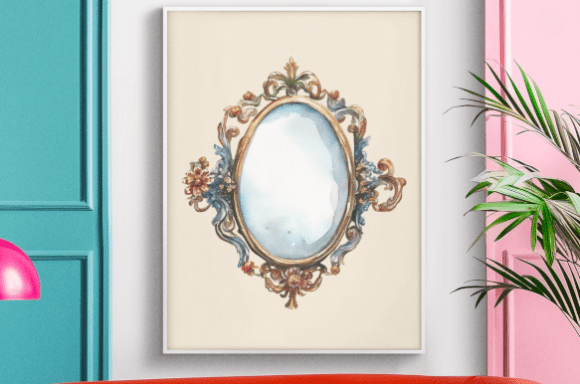
A versatile set of watercolor illustrations featuring a variety of vintage mirrors offers more than just pretty pictures; it provides a toolkit for storytelling. These images showcase ornate frames, simple classic designs, and unique artistic details that highlight the charm of antique craftsmanship. By exploring this topic from the ground up, we can appreciate how these digital assets serve as a vital resource in today's visual landscape.
The Allure of Antique Craftsmanship in Digital Form
To truly appreciate these illustrations, one must first understand the history they represent. Historically, mirrors were not merely functional objects used for checking one's appearance; they were status symbols and works of art. From the gilded baroque frames of 17th-century Europe to the intricate rococo designs of the 18th century, the frame was often just as important as the glass itself.
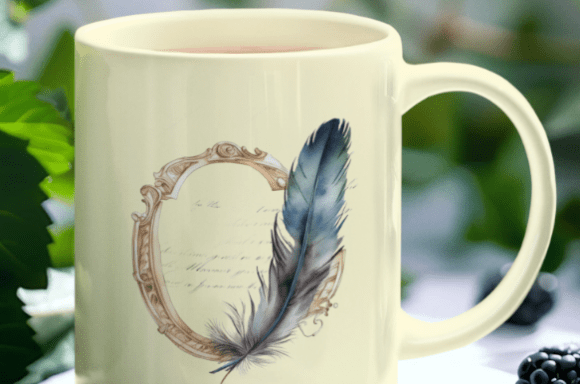
When artists translate these physical masterpieces into watercolor, they do more than replicate a shape. They capture the essence of age, texture, and light. A watercolor rendering allows for a softness that photography sometimes misses, emphasizing the flow of gold leaf, the patina of old wood, and the subtle imperfections that give vintage items their character. This artistic choice makes the images feel warm and inviting, perfect for projects that aim to evoke nostalgia or elegance.
Common misunderstandings often arise regarding the utility of such specific illustrations. Some might assume these are only suitable for historical documentaries or museum catalogs. However, the reality is far broader. These assets are incredibly flexible, fitting seamlessly into wedding invitations, branding for boutique hotels, packaging for luxury cosmetics, and even modern web design where a touch of class is required.
Diversity in Design: From Ornate to Minimalist
A high-quality collection of vintage mirror illustrations is defined by its variety. A robust set will not limit itself to one era or style. Instead, it offers a spectrum of designs that cater to different tastes and project requirements:
- Ornate Frames: These are the showstoppers. Featuring heavy scrollwork, floral motifs, and cherubic figures, these designs scream opulence. They are ideal for projects needing a dramatic focal point.
- Simple Classic Designs: Not every vintage piece is overly decorated. Many antique mirrors feature clean lines with subtle molding, reflecting the Georgian or early Federal styles. These are perfect for layouts requiring elegance without visual clutter.
- Unique Artistic Details: This category includes mirrors with unusual shapes—sunbursts, oval portraits, or asymmetrical rococo forms. These pieces add a whimsical or eccentric touch to any composition.
Understanding this diversity is crucial for creators. Knowing which style fits your narrative allows you to use these assets more effectively. For instance, a heavy baroque frame might overwhelm a minimalist website header, whereas a simple classic design could provide the perfect sophisticated border.
Practical Applications in Modern Creativity
The integration of vintage ornate mirror watercolors into modern workflows is seamless and impactful. In the realm of graphic design, these illustrations serve as powerful elements for branding. Imagine a perfume brand that wants to convey heritage and luxury; using a watercolor illustration of a gilded mirror on their packaging instantly communicates those values without needing words.
Furthermore, in the field of interior design visualization, these assets are invaluable. Designers often create mood boards to present concepts to clients. Including high-resolution watercolor images of vintage mirrors can help clients visualize how an antique aesthetic might look in their space before purchasing actual furniture. It sets a tone of refined taste and historical appreciation.
Educators and historians also find value in these resources. When teaching about art history or interior trends, visual aids are essential. Watercolor illustrations can be used in presentations, textbooks, or online courses to illustrate specific periods of design evolution. Because they are artistic interpretations, they can highlight specific features of a frame that a photograph might obscure due to lighting or angle.
- Wedding Stationery: Invitations and programs often benefit from the romantic feel of vintage mirrors, symbolizing reflection and unity.
- Social Media Content: Influencers in the home décor niche use these images to create engaging posts about "how to style vintage finds" or "antique shopping guides."
- Product Mockups: Artists selling prints or home goods can use these mirror illustrations as background elements to frame their own work, creating a cohesive and stylish presentation.
Navigating Copyright and Usage
As with any digital asset, it is important to approach usage with integrity. While the style is "vintage," the watercolor illustrations themselves are modern creations protected by copyright. When utilizing a set of these images, always check the licensing agreement. Most reputable creators offer licenses for personal and commercial use, but restrictions may apply regarding resale or redistribution.
Respecting the artist's work ensures that the community of digital illustrators continues to thrive. By purchasing legitimate sets, you support the time and skill required to hand-paint these intricate details. This aligns with the E-E-A-T (Experience, Expertise, Authoritativeness, and Trustworthiness) principles, ensuring that the content you produce is built on a foundation of ethical sourcing.
Why Watercolor? The Technical Advantage
You might wonder why watercolor is the preferred medium for these vintage collections over vector graphics or hyper-realistic 3D renders. The answer lies in the emotional resonance of the medium. Watercolor is inherently organic. The way the pigment bleeds into the paper mimics the aging process of antique materials. It suggests fragility and history.
Moreover, from a technical standpoint, watercolor illustrations often come with transparent backgrounds (PNG format), making them incredibly easy to layer in software like Photoshop, Procreate, or Canva. They blend well with other textures, such as aged paper, linen, or marble, allowing designers to create rich, multi-layered compositions without the image looking "stuck on."
This versatility extends to color customization as well. Because watercolors have a certain translucency, they can often be recolored digitally to match specific brand palettes while retaining their textured look. This adaptability makes them a superior choice for businesses that need consistent branding across various mediums.
Building a Broader Understanding of Decorative Arts
Engaging with these illustrations does more than solve a design problem; it educates the user about decorative arts. As you browse through a collection of vintage mirrors, you begin to notice the differences between a French Louis XV frame and an English Chippendale design. You start to recognize the symbolism in the carvings—acanthus leaves representing endurance, or shells symbolizing pilgrimage.
This knowledge enriches your creative output. When you understand the context of the object you are depicting, your usage of it becomes more intentional and meaningful. It transforms a generic "old mirror" into a specific historical reference that adds depth to your story.
In conclusion, a versatile set of watercolor illustrations featuring vintage ornate mirrors is a treasure trove for the modern creator. It combines the timeless appeal of antique craftsmanship with the flexibility of digital art. Whether used to elevate a brand identity, decorate a digital space, or educate an audience, these images offer a unique blend of beauty and utility. By appreciating the nuances of style, understanding the practical applications, and respecting the artistic process, you can harness the full power of these elegant visuals to bring your own projects to life.
So, the next time you are searching for that perfect element to add a touch of sophistication to your work, consider the enduring charm of vintage ornate mirrors rendered in watercolor. They are not just images; they are windows into the past, painted for the future.