Unlocking Visual Rhythm: The Power of Geometric Wave and Zig Zag Patterns in Modern Design
In the vast landscape of visual communication, few elements possess the dynamic energy of the geometric wave pattern and its sharper cousin, the zig zag decorative ornament. These are not merely background fillers or afterthoughts in a layout; they are fundamental tools that dictate rhythm, guide the eye, and evoke specific emotional responses from an audience. Whether you are a graphic designer crafting a brand identity, an interior decorator refreshing a living space, or a digital artist building assets for a web project, understanding the nuances of these forms is essential. The versatility found in a high-quality vector illustration EPS, JPG, SVG package allows these motifs to transcend mediums, moving seamlessly from a massive billboard to a tiny mobile screen without losing their crisp definition or impact.
The Psychology of Motion and Structure
At their core, these patterns speak a universal language of movement. A geometric wave pattern mimics the natural world. It recalls the rolling ocean, the undulating sand dunes, or the rhythmic pulse of sound waves. This connection to nature makes wave patterns inherently soothing yet engaging. They suggest continuity and flow, making them perfect for industries related to wellness, technology, finance, and logistics where smooth operations and steady growth are key messages. When a viewer sees a wave, their eye naturally follows the curve, creating a subconscious journey across the design surface.
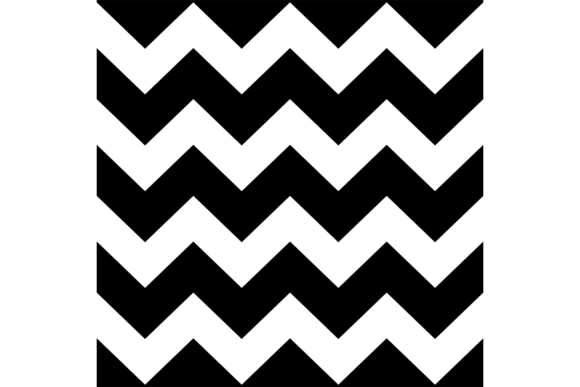
Conversely, the zig zag decorative ornament introduces a different kind of energy. It is electric, urgent, and vibrant. Historically associated with lightning, mountain ranges, and tribal textiles, the zig zag creates tension and excitement. It breaks the monotony of straight lines and soft curves, injecting a sense of urgency or playfulness into a composition. In modern branding, this sharp geometry is often employed by sports companies, music festivals, and youth-oriented fashion labels to signal disruption and high energy. Choosing between the fluid grace of a wave and the jagged intensity of a zig zag often depends on the specific narrative you wish to tell.
Why Vector Formats Matter for Professional Workflows
When sourcing assets for professional projects, the file format is just as critical as the design itself. You will frequently encounter descriptions like "Geometric wave pattern. Zig Zag Decoration. Vector illustration EPS, JPG, SVG." While this might look like a string of keywords, it highlights a crucial triad of usability. The SVG (Scalable Vector Graphics) and EPS (Encapsulated PostScript) formats are the backbone of scalable design. Unlike raster images, vectors are defined by mathematical paths rather than pixels. This means you can scale a zig zag decorative ornament from the size of a business card to the side of a building, and the edges will remain perfectly sharp.
For web developers and UI designers, the SVG format is particularly invaluable. It allows the geometric wave pattern to be styled directly with CSS, animated with JavaScript, and kept lightweight for fast page loading speeds. Imagine a hero section on a website where the background waves gently undulate as the user scrolls; this is only achievable with vector-based assets. On the other hand, the JPG inclusion in these packs serves a different purpose. It provides a ready-to-use rasterized version for quick mockups, social media posts, or situations where vector editing software is not available. Having access to all three formats ensures that your workflow remains uninterrupted regardless of the platform or medium you are targeting.
Integrating Patterns into Interior and Digital Spaces
The application of these geometric forms extends far beyond the computer screen. In interior design, there has been a significant resurgence of maximalism and retro-modern aesthetics, where the zig zag decorative ornament plays a starring role. Think of accent walls featuring bold, black-and-white chevrons or wallpaper rolls adorned with Art Deco-inspired waves. These patterns can define zones within an open-plan office or add a touch of whimsy to a child's bedroom. The key to successful integration lies in scale. A large-scale geometric wave pattern can make a small room feel expansive and fluid, while a tight, repetitive zig zag can create a sense of contained energy and texture.
In the digital realm, the stakes are slightly different but the principles remain similar. User interface (UI) design relies heavily on subtle patterns to create depth without clutter. A faint, low-opacity geometric wave pattern in the background of a dashboard can reduce eye strain compared to a stark white background, adding a layer of sophistication. Meanwhile, the zig zag decorative ornament is often used in call-to-action buttons or divider lines to draw immediate attention. Because these elements are often delivered as a vector illustration EPS, JPG, SVG set, designers can easily recolor them to match strict brand guidelines, ensuring consistency across every touchpoint of the customer journey.
Practical Considerations for Selection and Customization
Before downloading or purchasing a pattern pack, there are several factors to consider to ensure the asset fits your specific needs. First, evaluate the complexity of the geometry. Some geometric wave pattern designs are minimal, consisting of single-line strokes, while others are intricate, featuring overlapping layers and gradients. For print projects, simpler vectors often yield cleaner results, especially when using spot colors or specialized printing techniques like foil stamping. Complex patterns may require high-resolution rasterization (JPG) if the printing method cannot handle dense vector nodes.
Secondly, consider the modifiability of the file. A true vector illustration should allow you to ungroup elements, change stroke weights, and alter colors effortlessly. If you are working with a zig zag decorative ornament intended for a textile print, you might need to adjust the repeat unit to ensure the pattern tiles seamlessly without visible seams. Most professional packs labeled with EPS and SVG are constructed with this flexibility in mind, but it is always wise to inspect the layer structure before committing to a design direction.
Furthermore, think about the cultural connotations of the shapes you are using. While a geometric wave pattern is generally neutral, specific stylizations of zig zags can carry historical weight in certain cultures, representing everything from lightning bolts to ancestral paths. Ensuring that your use of a zig zag decorative ornament is respectful and contextually appropriate is part of responsible design practice. This awareness adds a layer of depth to your work, transforming a simple decorative element into a meaningful component of your visual story.
Future-Proofing Your Design Assets
Trends in design are cyclical, but geometry is timeless. The geometric wave pattern and the zig zag decorative ornament have survived centuries of stylistic shifts because they are rooted in basic human perception. By investing in high-quality, versatile files—specifically those offering vector illustration EPS, JPG, SVG options—you are future-proofing your creative library. These assets can be repurposed years down the line. A wave pattern created for a summer campaign today could be recolored and resized for a winter holiday promotion tomorrow, simply by adjusting the hue and saturation in your editing software.
Moreover, as we move toward more immersive digital experiences, including augmented reality (AR) and virtual reality (VR), the demand for clean, scalable graphics will only increase. Heavy raster images can bog down performance in 3D environments, but optimized vectors can be extruded and manipulated in real-time. A geometric wave pattern could become a 3D terrain in a virtual world, while a zig zag decorative ornament could serve as a dynamic lighting effect. The foundational nature of these shapes makes them ideal candidates for next-generation media.
Ultimately, the choice to incorporate these patterns is a choice to embrace rhythm and structure. Whether you are looking to calm a chaotic layout with the fluidity of waves or energize a static page with the punch of zig zags, the right geometric element can elevate your work from ordinary to extraordinary. By understanding the technical benefits of vector formats and the psychological impact of these shapes, you empower yourself to make design decisions that are not only aesthetically pleasing but also strategically sound. The next time you browse for assets, look beyond the preview image and consider the potential hidden within that Geometric wave pattern. Zig Zag Decorative file; it might just be the missing piece your project needs.